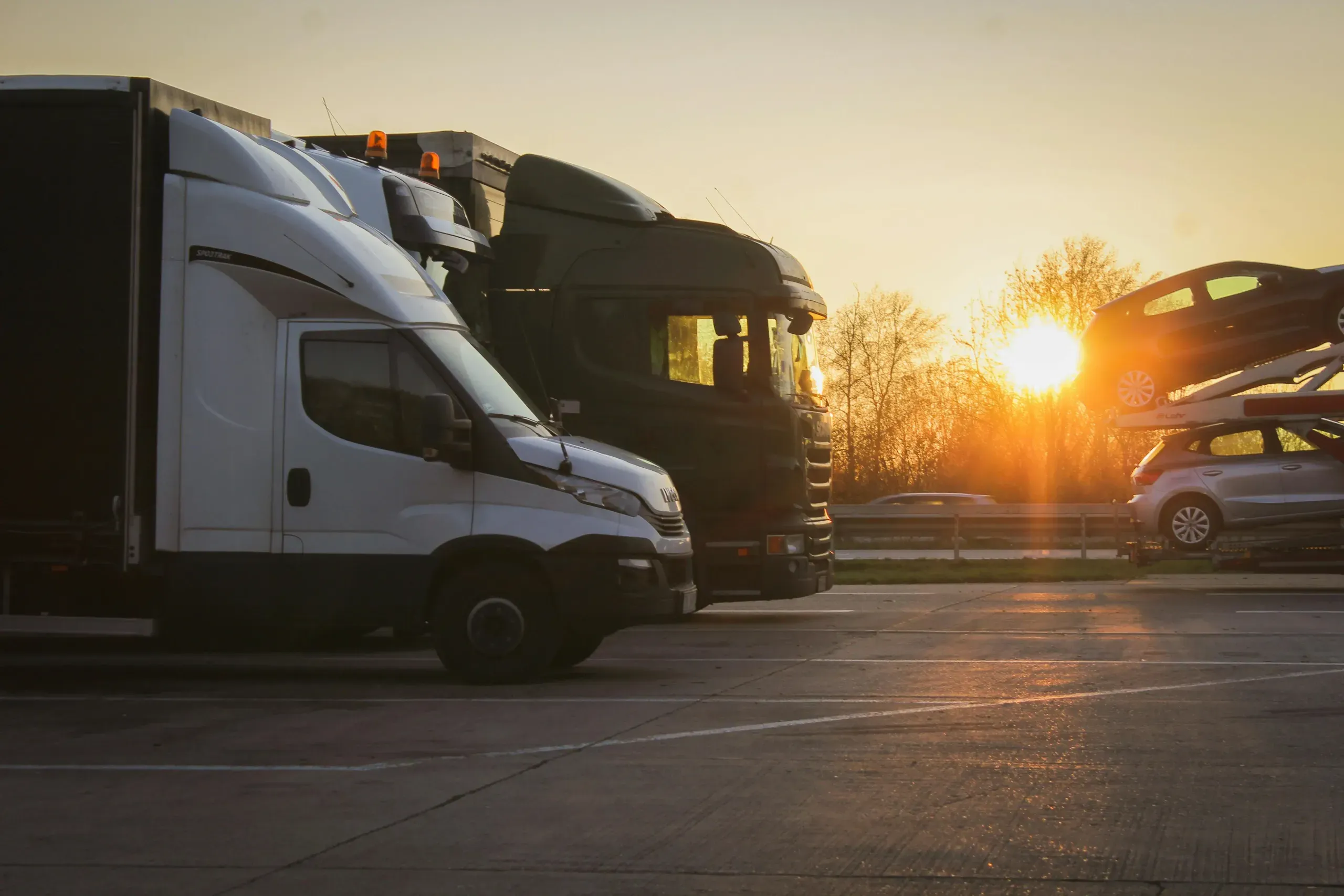
Ship Your Car from District of Columbia to New Mexico
Shipping a vehicle from the District of Columbia to New Mexico covers approximately 1,793 miles along the I-40 corridor, with a typical transit time of 5 to 7 days. Whether you are relocating for work, purchasing a vehicle out of state, or managing a long-distance move for a family member, we provide the information you need to coordinate your transport. This guide covers how to budget for your shipment, what to expect during transit, the step-by-step booking process, how to properly prepare your vehicle, and answers to common questions about moving your car across the country.
- No-obligation quote within 2 minutes
- Price all-inclusive
- No charge until driver confirmed
- Distance
- 1,793 mi
- Transit time
- 5–7 days
- Open carrier from
- $1,000
How much does it cost to ship a car from District of Columbia to New Mexico?
For open transport, you can typically expect a cost between $1,000 and $1,325, while enclosed shipping generally ranges from $1,625 to $2,175. These figures cover the 1,793-mile journey, which usually takes 5 to 7 days to complete. Ship Car Pros functions as a referral service; we connect you with independent, vetted carriers who handle the physical transport, meaning your final rate is determined by the balance of supply and demand on the national loading board. There are several factors that determine where your final price lands, including vehicle size, seasonal demand, and your specific pickup and delivery windows. We will explore how these variables influence your quote and how you can optimize your shipment costs in the following sections.
What factors affect car shipping cost?
Several variables influence the final rate for your shipment from the District of Columbia to New Mexico. Understanding how these factors interact helps you manage your budget more effectively.
- Vehicle dimensions and weight: Larger trucks and SUVs require more trailer space and increase fuel consumption compared to standard sedans.
- Transport type: Enclosed trailers provide extra protection from road debris but incur a higher premium than standard open carriers.
- Flexibility: A wider pickup window allows carriers to integrate your vehicle into existing routes, often reducing your cost.
- Seasonal demand: Peak periods, such as summer moving months, see higher demand and limited carrier capacity.
- Route accessibility: Deliveries to remote, off-interstate locations require more time and fuel than pickups in major metro hubs.
- Vehicle operability: Non-running vehicles require specialized winching equipment and additional labor to load safely onto the transport trailer.
Open vs. enclosed car transport: which should you choose?
Choosing between open and enclosed transport comes down to your vehicle’s value and your specific protection needs. Open transport is the industry standard, used for about 85% of all shipments. It is the same method used to deliver brand-new cars to dealerships across the country. With a typical cost around $1,112 for this route, it is the most efficient choice for daily drivers, standard sedans, and SUVs.
Enclosed transport, which averages around $1,811 for this distance, provides a fully sealed environment that shields your vehicle from road debris, dust, and weather. This premium option is best reserved for classic cars, high-value luxury vehicles, or custom builds that require extra care. If you own a vehicle worth over $75,000 or a sensitive show car, the added peace of mind justifies the higher cost. For most other vehicles, open transport offers the ideal balance of safety and value.
- Open carrier
- $1,000–$1,325
- Standard 7–10 car hauler.
- Enclosed carrier
- $1,625–$2,175
- Sealed trailer for high-value vehicles.
How long does it take to ship a car from District of Columbia to New Mexico?
Shipping your vehicle over the 1,793-mile stretch from the District of Columbia to New Mexico generally takes between 5 and 7 days. While that transit time might seem long, it accounts for the reality that drivers typically cover about 400 to 500 miles daily once they factor in mandatory rest periods, fuel stops, and the loading process for other vehicles in their haul. Keep in mind that these are estimates rather than guarantees, as weather conditions and traffic patterns along the I-40 corridor can shift your arrival window. We will cover how to track your vehicle's progress and the factors that might influence your specific delivery date in more detail below.
Which routes do carriers usually take?
Carriers moving vehicles from the District of Columbia to New Mexico primarily rely on a well-established interstate sequence. After navigating out of the dense D.C. metro area-typically via I-495 to avoid the city’s complex urban access restrictions-drivers generally head south and west to link up with the major cross-country arteries. The backbone of this route is I-40 W, which carriers join to handle the bulk of the 1,793-mile trip. This corridor serves as a reliable, high-traffic path that helps drivers bypass the most severe mountainous terrain while maintaining a steady pace through the heart of the country toward New Mexico’s major hubs like Albuquerque.
What can delay your shipment?
Transit times are estimates, not guarantees, and several factors can influence your delivery date. Winter weather is a primary concern, as high-altitude stretches along I-40-specifically the Continental Divide and Tijeras Canyon-are prone to sudden snow and ice that can force temporary interstate closures. Additionally, spring crosswinds and summer monsoon flash floods in the Southwest can create hazardous conditions that slow down carriers. Logistics can also be affected by the "weekend gap," where carrier activity drops significantly on Saturdays and Sundays. If your vehicle is coming from an auction facility, expect potential delays if you haven't provided the necessary lot number, gate pin, and buyer number, which are mandatory for carrier pickup.
Popular Routes
Major city-to-city routes on the District of Columbia → New Mexico corridor.
| From | To | Approx. distance | Transit |
|---|---|---|---|
| Washington, DC | Albuquerque, NM | ~1,650 mi | 5-7 days |
| Washington, DC | Las Cruces, NM | ~1,720 mi | 5-7 days |
| Washington, DC | Rio Rancho, NM | ~1,650 mi | 5-7 days |
| Washington, DC | Santa Fe, NM | ~1,600 mi | 5-7 days |
| Washington, DC | Roswell, NM | ~1,580 mi | 5-7 days |
| Washington, DC | Farmington, NM | ~1,700 mi | 5-7 days |
| Washington, DC | Hobbs, NM | ~1,520 mi | 5-7 days |
| Washington, DC | Clovis, NM | ~1,480 mi | 4-6 days |
| Washington, DC | Carlsbad, NM | ~1,590 mi | 5-7 days |
| Washington, DC | Alamogordo, NM | ~1,670 mi | 5-7 days |
How does shipping a car from District of Columbia to New Mexico work?
Shipping a vehicle from the District of Columbia to New Mexico follows a straightforward three-stage process designed to move your car safely across the country. First, you request a quote to establish your baseline budget and transport preferences. Second, a carrier is assigned to handle the physical pickup, where they perform a thorough condition inspection. Finally, the driver transports your vehicle along the I-40 corridor until it reaches the final delivery location. Each stage is designed to keep you informed while ensuring your car remains under the constant care of a professional carrier.
What happens between booking and pickup?
Once your initial booking is confirmed, the coordination effort shifts toward securing a driver and aligning the schedule for your vehicle’s departure. The process follows these specific steps to move your shipment from a request to an active transit plan:
- We post your specific shipment details to the national load board, where qualified carriers in our network view the route and vehicle requirements.
- An available carrier accepts your load, and our dispatch team formally assigns them to your shipment.
- You receive a notification containing the carrier’s details, including the driver’s name, contact information, and an updated estimated time of arrival.
- The driver contacts you directly to confirm a specific pickup window based on their current route and local traffic conditions.
- On the scheduled day, the driver arrives at your pickup location to perform the initial walk-around inspection, documenting the vehicle’s condition on the bill of lading before loading begins.
What is a bill of lading (BOL)?
The bill of lading (BOL) acts as both your official shipping contract and a detailed condition report for your vehicle. At pickup, the driver performs a thorough inspection-typically covering 21 points-to document any existing scratches, dents, or mechanical issues. You and the driver both sign this document before the car is loaded. It is essential that you retain your copy, as it serves as your only record of the vehicle’s pre-transit state. When the car arrives, repeat this inspection carefully in good light. Compare the vehicle against the original notes before signing the final delivery BOL, as this signature confirms the car was received in acceptable condition.
After delivery: registration and inspection in New Mexico
Once your vehicle arrives in New Mexico, you have 30 days to register it with the Motor Vehicle Division (MVD). You must handle this in person at an MVD field office or authorized third-party location, as every out-of-state vehicle requires a mandatory physical VIN inspection to confirm it is not stolen. You will need your original title, proof of New Mexico residency, and evidence of insurance that meets the state's 25/50/10 liability minimums. If you are moving to Bernalillo County, you must also complete an emissions inspection. Be aware that missing the 30-day window triggers a $10 penalty, which jumps to 75% of your base registration fee if you wait longer than 60 days. For full details and forms, visit https://www.mvd.newmexico.gov/.
Even after your car arrives, remember that you must formally surrender your District of Columbia license plates to the DC DMV to cancel your registration and avoid hefty insurance lapse fines. Do not cancel your D.C. insurance policy until you have received your official tag surrender receipt.
How do you verify a car transport company is legitimate?
Verifying the legitimacy of a transport provider is the most important step to ensure your vehicle reaches New Mexico safely. Start by requesting the company's Motor Carrier (MC) number and Department of Transportation (DOT) number. You can plug these identifiers into the Federal Motor Carrier Safety Administration (FMCSA) "Company Snapshot" tool to confirm they are active and properly licensed for interstate commerce. This database also displays their safety rating and insurance status, providing an objective look at their standing.
Legitimate companies operate with transparency regarding their processes and financial requirements. A major red flag is any service that asks for a deposit or full payment before a carrier has been officially assigned to your load. You should only be charged once a driver is confirmed and dispatched. Furthermore, always insist on a written agreement that outlines the full scope of the quote, including insurance coverage and delivery terms, before you provide any payment information.
Finally, look beyond the company's own website. Check independent, third-party platforms like the Better Business Bureau (BBB) or Transport Reviews to see recent customer experiences. While no company is perfect, consistent patterns of unresponsive service or sudden price hikes after booking are clear warning signs. By cross-referencing their federal registration with these public reviews, you can confidently filter out unreliable operators.
How do I prepare my car for shipping?
Preparing your vehicle correctly ensures a smooth inspection and prevents complications once the carrier arrives. Follow these steps to get your car ready for its trip from the District of Columbia to New Mexico:
- Clean the exterior thoroughly to make existing scratches, dents, or paint chips clearly visible for the initial inspection.
- Photograph the vehicle from all angles, including the roof and undercarriage, ensuring the images are time-stamped for your records.
- Remove all personal belongings and loose items, including toll tags, parking passes, and garage door openers, to comply with insurance regulations.
- Maintain a quarter-tank of fuel to reduce weight while ensuring the driver has enough gas to load and unload the vehicle safely.
- Disable all alarms and security systems, and prepare a complete set of keys for the driver.
- Note any mechanical quirks or fluid leaks in writing so the driver knows how to handle your car during transport.
Taking these simple precautions helps avoid delays and ensures your vehicle is ready for the road.
Specialty shipments from District of Columbia to New Mexico
Some shipments require more than a standard setup due to their unique logistical requirements. Whether you are handling a complex auction purchase, transporting a vehicle that is no longer running, or coordinating the move of multiple cars at once, these scenarios involve specific documentation and equipment needs. We have outlined the essential requirements below to ensure your specialty transport from the District of Columbia to New Mexico is handled correctly and stays within your budget.
How do you ship a car bought at Copart or IAA auction?
Shipping a vehicle purchased from an auction facility like Copart or IAA requires extra coordination because these sites are high-security, restricted zones. To ensure a smooth pickup, you must provide your transport company with the specific lot number, your buyer number, and the gate pin assigned to that vehicle. Without these three pieces of information, the driver will be turned away at the gate. Additionally, you must ensure that all auction-house fees are paid in full and that you have a digital copy of the gate pass or payment confirmation ready to share. Auction pickups often take 1–3 days longer to schedule than residential moves because they require strict appointment windows and coordination between the carrier and the facility’s staff. Always verify that your chosen carrier is experienced with auction-lot protocols to avoid unnecessary storage fees or failed pickup attempts.
How do you ship an inoperable car?
Shipping a non-running vehicle requires more than a standard trailer. Because the car cannot move under its own power, the carrier must use a winch to pull it onto the transport bed. For this to work, your vehicle must still be able to roll, steer, and brake. If the wheels are locked or the vehicle is missing tires, standard carriers will not be able to load it. Keep in mind that this process takes extra time and specialized equipment, which adds a surcharge to the standard transport rate. Always disclose the vehicle’s condition upfront so we can match you with a driver equipped for the job.
How do you ship multiple cars at once?
Shipping two or more vehicles simultaneously is a practical solution for families relocating, households with multiple drivers, or small-scale dealer transfers. Coordinating a multi-vehicle move often simplifies the logistics, as you only need to manage a single pickup and delivery window rather than tracking different shipments across different timelines. From a pricing perspective, carriers frequently offer bundled rates; while the total cost increases, the per-vehicle rate typically drops compared to shipping each car individually. Depending on the fleet capacity, your vehicles may travel together on the same trailer, ensuring they arrive at the destination at the same time and under the same carrier's care.
Is it cheaper to ship a car or drive it from District of Columbia to New Mexico?
Deciding whether to ship your car or drive it yourself is a balance of your budget, your timeline, and the value you place on your own time. Shipping your vehicle via an open trailer typically costs around $1,112 for the 1,793-mile trip from the District of Columbia to New Mexico.
If you choose to drive, the costs add up quickly. Using the current AAA driving cost estimate of $0.70 per mile, the operating expenses-fuel, maintenance, and depreciation-for this distance total approximately $1,255. When you factor in the reality that this trip takes over 26 hours of non-stop driving, you will need at least two overnight stays, adding roughly $240 in lodging. This brings your total self-drive cost to approximately $1,495.
Beyond the direct expenses, consider the logistical trade-offs. Driving requires significant physical stamina and nearly two full days of your time behind the wheel. You must also account for the opportunity cost of time off work and the daily fatigue of navigating long-distance interstate travel. Shipping your vehicle removes the stress of road wear, multi-day hotel logistics, and potential mechanical issues on the highway. While the out-of-pocket price for professional transport is clear, the decision ultimately rests on whether you prefer to spend your own time on the road or have your vehicle delivered directly to your door.
| Ship it | Drive it | |
|---|---|---|
| Total cost | $1,000–$1,325 all-in | ~$1,735 (fuel + lodging + meals) |
| Your time | 0 hours | ~30 hrs driving + overnight |
| Wear & tear | None | 1,793 mi added; ~$0.10/mi depreciation |
| Risk | Insured in transit | Personal liability + fatigue |
For most District of Columbia → New Mexico shipments, ship is the better value once time and depreciation are counted.
Frequently asked questions
How much does it cost to ship a car from District of Columbia to New Mexico?
Open transport typically ranges from $1,000 to $1,325, while enclosed shipping usually costs between $1,625 and $2,175. These prices are estimates based on the 1,793-mile route. Your final rate is determined by current market supply and demand, as well as specific factors like your vehicle type, its operability, and your chosen pickup window. Always confirm your all-inclusive quote before finalizing the booking to ensure there are no surprises.
How long does it take for a car to be transported from D.C. to New Mexico?
Transit for this 1,793-mile route typically takes between 5 and 7 days. While drivers usually cover roughly 400 miles per day due to federal safety regulations and rest stops, the exact arrival time depends on traffic, weather conditions along the I-40 corridor, and the carrier's specific route. These timelines are estimates rather than guarantees, so it is best to plan for some flexibility in your arrival schedule.
What is the difference between open and enclosed transport for this route?
Open transport is the industry standard for about 85% of vehicles, using the same open-air trailers seen delivering new cars to dealerships. Enclosed transport uses a fully sealed trailer to protect your vehicle from weather, dust, and road debris. While enclosed shipping is significantly more expensive, it is generally recommended only for high-value luxury cars, classic models, or show vehicles that must remain in pristine condition throughout the entire journey.
When exactly do I pay the shipping company for my car transport?
You do not pay the full amount upfront; payment is split into two parts. A deposit is charged to your card only after a carrier has been officially assigned to your shipment. The remaining balance is paid directly to the driver at the time of delivery. Drivers typically accept payment via cash, certified check, money order, Zelle, or Venmo, so be sure to confirm their preferred method before the vehicle arrives.
Is my vehicle insured while it is being transported by the carrier?
Yes, your vehicle is covered by the carrier's cargo insurance policy throughout the entire transit process. Coverage typically ranges from $50,000 to $250,000 for open trailers, while enclosed transport often carries higher limits between $250,000 and $1 million. This insurance is all-inclusive and covers the vehicle from the moment it is inspected and loaded at pickup until it is signed for and delivered at your destination.
Can I choose a specific day and time for my vehicle to be picked up?
Pickup dates are estimates rather than guaranteed appointments because carrier schedules are influenced by traffic, weather, and delivery progress. While you can request a preferred date, carriers typically operate within a 1 to 3-day window for standard service. Providing a wider 4 to 7-day window often makes it easier to match your vehicle with a carrier, which can also help keep your overall shipping costs lower.
What should I do if my car is not running and needs to be shipped?
You must disclose that your vehicle is inoperable when requesting your quote so that we can assign a carrier equipped with a winch or specialized loading gear. The vehicle must still be able to steer, roll, and brake to be safely loaded onto the trailer. Because this process requires extra time, labor, and specific equipment, shipping a non-running vehicle will include an additional surcharge compared to a standard operable car.
Why should I avoid posting my shipment with multiple car transport brokers at the same time?
Posting your shipment with multiple brokers causes your request to appear repeatedly on the national load board. Carriers see these duplicate postings and often assume the shipment is difficult to manage or priced incorrectly, which can trigger a bidding war that drives your costs up. By working with one service, you keep your shipment listing clean and professional, which helps attract reliable carriers faster and prevents unnecessary delays or price hikes.